
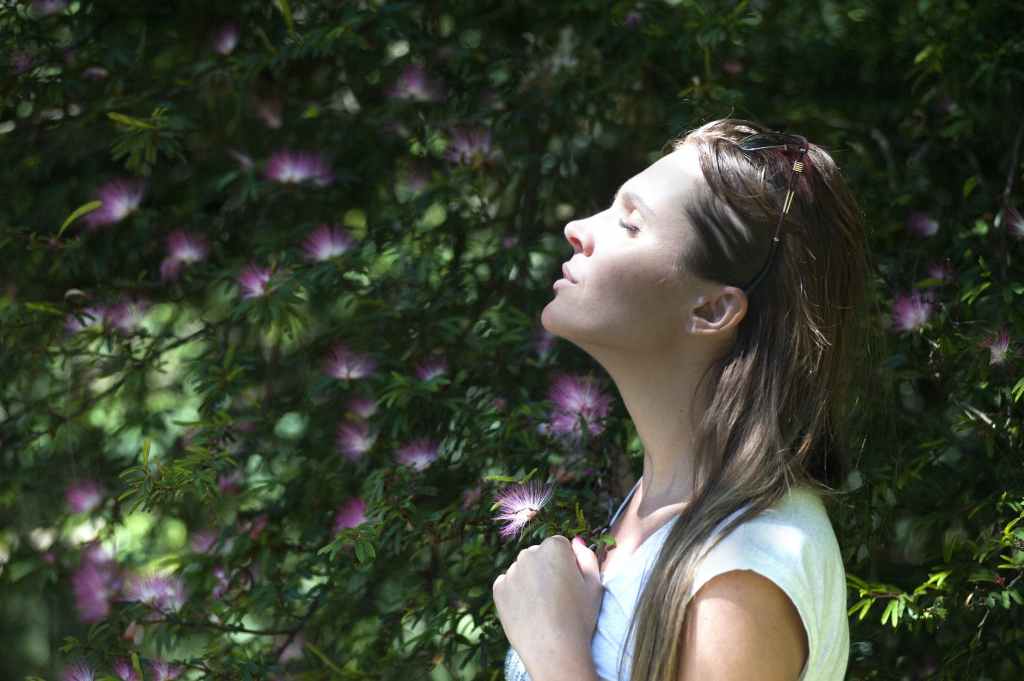
Breathing is one of our most powerful tools…present from birth to death, an autonomous thing we do…each and every one of us, we take it for granted most of the time, it keeps us alive all of the time and yes…it is singularly one of the most important thing we do in our lives!
So why is it so important, and what are the benefits other than the obvious ones about keeping us alive? Well, it is the one of the things we have some control over in terms of our health & wellbeing. It is deep breathing that activates the ‘vagus nerve’ in our body which oversees things like our mood, digestion and our heart rate whilst it sends oxygen to the brain and other organs in the body. Notice, for example, when you take a long, slow deep breath in, how does it makes you feel afterwards.
Why is slow breathing so beneficial to our health:
Slow breathing activates the ‘parasympathetic nervous system’ also known as the ‘rest and digest’ system. Its job is to conserve energy to be used for key bodily processes such as digestion and urination.
Take a full, deep belly breath in…hold the breath and let it out slowly…if you feel lighter, then you are not imagining it!
We take more than eight billion breaths per year, taking breaths every moment of the day and there are four main types of breathing we do:
- EUPNEA – this is like the type of breathing you are doing right now, when you are not thinking about breathing. Known as ‘quiet breathing’ both the diaphragm and the external intercostal muscles contract.
- DIAPHRAGMATIC – also known as ‘deep breathing’, the diaphragm muscles contract with this type of breathing. As the muscles contract, the breath leaves the lungs passively.
- COSTAL BREATHING – this type of breathing, known as ‘shallow breathing’ uses the intercostal muscles between the ribs so the muscles relax as the air is expelled from the lungs.
- HYPERNEA – also known as ‘forced breathing’ both inhalation and exhalation are active, rather than passive, due to muscle contractions.
Deep breathing can help you with the following conditions:
- Anxiety
- Depression
- Manage stress
- Improved focus
- Better sleep
- Recovery from exercise
7 Breathing Exercises for Better Sleep
Learn to channel your relaxation with the following 7 breathing exercises that can be done easily on your own, encouraging your body and mind to relax, making sleep easier.
- Abdominal Breathing – refers to deep breathing into the abdomen rather than shallow breathing into the chest. You must inhale through the nose and exhale through the mouth. Breathing in and out for a period of 5-10mins can slow down various functions of the body that keep you tense or anxious, making it easier to drift off to sleep.
- Repeating a Mantra – once you have mastered the abdominal breath you can add a mantra to your practice, a mantra meditation that together can help improve your sleep. By pausing before you exhale and when you inhale you become aware of tension in your body and and release it. Continue for 5-10mins until you start to feel sleepy.
- 4-7-8 Breathing – here you should inhale quietly, but exhale making a “whooshing” sound, keeping your tongue in the same spot throughout, and maintain the ratio of time you inhale/hold/exhale stays the same.
- Body Scan – this is used the most in a typical Sophro Balance exercise as it involves scanning your body for signs of tension, finding them so you can overcome these preparing for sleep. This is where the mind and body start to relax until you find yourself dosing off.
- Counting the Breath – is about counting breaths as opposed to sheep, and can be a useful technique to help fall asleep quickly. There are variations on how to do this by counting upwards from 1-10 or back the other way 10-1, but just seeing what works best for you is key.
- Breath Imagery – focussing on the colours of the rainbow for example, watching the colours with each breath in you take, notice that feeling as you sink into the bed or noticing any other sensations that come as you lie there, as that can have a powerful effect that helps you relax, and slow down before you fall asleep.
- Visualise Releasing Energy – this is the best way to relax both body and mind which enables you to expel energy thereby preparing you for sleep. Visualise a pleasant scene as you take long deep, slow breaths, reduces shallow breathing at night helping you fall asleep more readily.
“When we concentrate on our breathing, we bring body and mind back together and become whole again.“
-Thich Nhat Hanh-

Contact me for advice on how Sophro Balance could benefit your personal journey of change and transformation.
Please leave a comment, like or share this post with others would also be greatly appreciated! Thank you for reading…
 SOPHRO BALANCE for Wellbeing
Leave a comment