
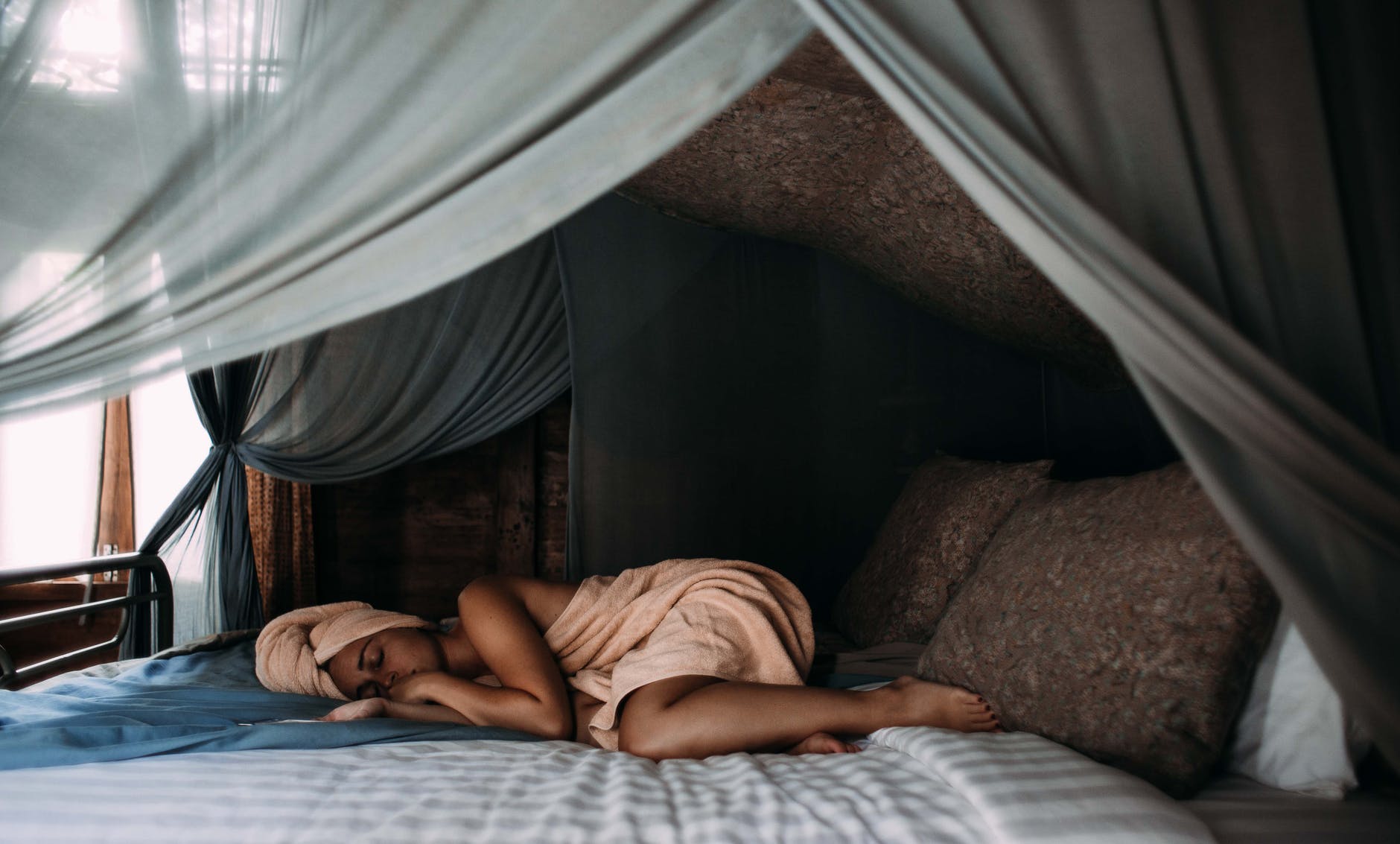
What does sleep mean to you? Do you sleep really well or are you a light sleeper, a deep sleeper, do you like to go to bed early or prefer to stay up late, or do you like to stay in bed for a lie in at the weekend or get up with the birds chorus an hour before you really need to in the mornings? Well for me, I like to go to bed early and get nine hours in if at all possible but not everyone is the same so I decided to delve a bit deeper into the world of sleep and I found some quirky facts about something we all do knowingly but it is not fully understood why we do it!
Firstly, lets look at the stages of sleep so we have a an idea of what we might typically go through in an average sleep cycle:
There are two main types of sleep, Non-Rapid Eye Movement (NREM) and Rapid Eye Movement (REM)
During the earliest phases of sleep, you are still relatively awake and alert. The brain produces what are known as beta waves, which are small and fast. As the brain begins to relax and slow down, slower waves, known as alpha waves, are produced. During this time when you are not quite asleep, you may experience strange and extremely vivid sensations known as hypnagogic hallucinations. Common examples of this phenomenon include feeling as if you are falling or hearing someone call your name.
Another very common event during this period is known as a myoclonic jerk. If you’ve ever startled suddenly for seemingly no reason at all, then you have experienced this odd phenomenon. While it may seem unusual, these myoclonic jerks are actually quite common.
Stage 1 is the beginning of the sleep cycle, and is a relatively light stage of sleep. Stage 1 can be considered a transition period between wakefulness and sleep. In Stage 1, the brain produces high amplitude theta waves, which are very slow brain waves. This period of sleep lasts only a brief time
(around 5-10 minutes). If you awaken someone during this stage, they might report that they weren’t really asleep.
Stage 2 is the second stage of sleep and lasts for approximately 20 minutes. The brain begins to produce bursts of rapid, rhythmic brain wave activity known as sleep spindles. Body temperature starts to decrease and heart rate begins to slow.
Stage 3 Deep, slow brain waves known as delta waves begin to emerge during stage 3 sleep. Stage 3 is a transitional period between light sleep and a very deep sleep.
Stage 4 is sometimes referred to as delta sleep because of the slow brain waves known as delta waves that occur during this time. Stage 4 is a deep sleep that lasts for approximately 30 minutes. Bed-wetting and sleepwalking are most likely to occur at the end of stage 4 sleep.
Stage 5 Most dreaming occurs during the fifth stage of sleep, known as rapid eye movement (REM) sleep. REM sleep is characterized by eye movement, an increased respiration rate and increased brain activity. REM sleep is also referred to as paradoxical sleep because while the brain and other body systems become more active, the muscles become more relaxed. Dreaming occurs due to increased brain activity, while voluntary muscles become paralysed.
It is important to realise that sleep does not progress through these stages in sequence. Sleep begins in stage 1 and progresses into stages 2, 3 and 4. After stage 4 sleep, stage 3 and then stage 2 sleep are repeated before entering REM sleep. Once REM sleep is over, the body usually returns to stage 2 sleep. Sleep cycles through these stages approximately four or five times throughout the night. On average, we enter the REM stage approximately 90 minutes after falling asleep. The first cycle of
REM sleep might last only a short amount of time, but each cycle becomes longer. REM sleep can last up to an hour as sleep progresses.
Author: Mark Stibich, Ph.D
Now for my fun facts about a stereotypical behaviour with very ancient origins, for it is found in fish, reptiles, and birds, as well as in humans. Described in ancient times by Hippocrates (who thought it served to evacuate fever), it did not become a subject of serious interest until the advances achieved in neuroscience in the 1980s.
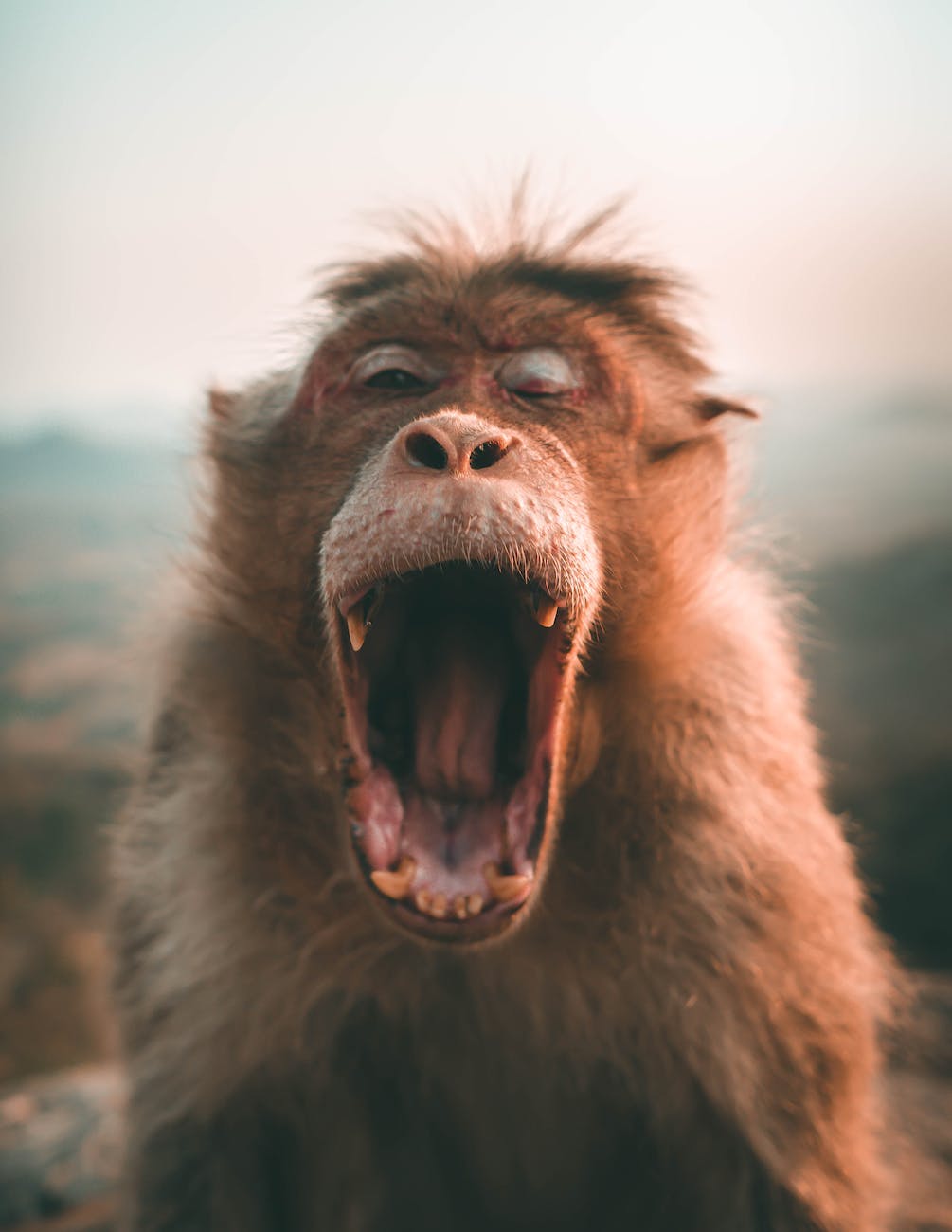
I am in fact referring to yawning and generally speaking, yawning consists of three phases: first, a long intake of air, then a climax, and finally a rapid exhalation, which may or may not be accompanied by stretching. After yawning, you generally experience a sense of well being and relaxation and feel much more present in and aware of your body than you did before you yawned.
Contrary to what was believed for centuries, yawning does not serve to improve oxygenation in the brain. This myth was first laid to rest when it was discovered that the human fetus can yawn as early as the age of 12 weeks, even though it is surrounded by amniotic fluid in its mother’s belly and so is scarcely likely to get any more oxygen to its brain from this effort.
Second, if yawning really helped to raise the oxygen concentration in the blood, then inhaling pure oxygen would cause yawns to become less frequent, while raising the concentration of carbon dioxide in the blood would make them more frequent. But several studies have shown that neither of these things occurs. Also, yawning is no more common in people with acute or chronic respiratory problems than it is in the general population.
The role of yawning has yet to be fully determined. But because we yawn more often when we first awaken, when we are bored, and when we are trying not to fall asleep, its primary function would appear to be to help make us more alert. Yawning also seems to play a role in non-verbal communication, especially among primates.
Which leads us to something truly singular about yawning: its contagiousness. That is, when we see someone yawn, it makes us yawn. Sometimes simply thinking about a yawn can be enough to trigger one! Obviously, the term “contagiousness” should not be taken literally here, because no germs are being transmitted. More precisely, yawning is a form of involuntary imitation. Some scientists believe that this characteristic of yawning may have developed as a mechanism for promoting social cohesion, for example, by enabling all the people present in a group to have the same level of alertness at the same time.
In the rest of the animal kingdom, yawning is observed among predator and prey species alike. Among predators, its purpose might be to encourage the group to take a restorative nap so that all of its members can be well rested for an attack on their prey later on. Among prey, by encouraging all members of the group to fall asleep at the same time, yawning might reduce the risk that any one individual might be sleeping alone and hence highly vulnerable to attack by a predator.
There is no nerve centre strictly associated with the yawn reflex, but certain brain structures, such as the hypothalamus, the pituitary gland, and the brainstem are essential for its expression. Some scientists have even hypothesized that the strong contractions of the jaw muscles during yawning may stimulate the reticular formation and thereby encourage wakefulness.
Lastly, one interesting linguistic note: the French verb bâiller (to yawn) has a circumflex accent on the “a” and not on the “i” because in Old French, when people pronounced this word, they stretched out the “a” to imitate the sound of someone yawning.

In my next post I will provide you with a wonderful relaxing Sophro Balance visualisation that is something I do for those of you that have difficulty falling asleep or once asleep tend to wake up in the early hours unable to nod off again no matter what you do! I will also share with you a really good way to relax using a breathing exercise that can help tip the balance.
Please leave me a comment or like and share this post with your friends as it would be greatly appreciated! Thank you for reading…


 SOPHRO BALANCE for Wellbeing
Leave a reply to natwellbeing Cancel reply